Overview
The watershed of the Noire and Coulonge rivers is located in southwestern Quebec, in an area rich in natural beauty and biodiversity. In 2016, shortly after contributing to the protection of the Dumoine River, CPAWS-OV began gathering as much information as possible on the Noire and Coulonge rivers with the goal of creating a connected network of protected areas. To do so, we reached out to multiple stakeholders to better understand local practices and values, and to seek their input on the idea of protecting portions of the territory.
An initial proposal for a protected area was drafted and submitted to the Government of Quebec that same year. In August 2018, the Government of Quebec announced the designation of a proposed biodiversity reserve covering 845.4 km² 2 of the watershed and contributing to the objective of protecting 17% of the territory. However, when the deadline was reached in 2020, this project was not included among the 83 protected area projects. In 2022, the project was revived, and CPAWS-OV and CREDDO were given the mandate to draft a second proposal. On August 30, 2023, the Government of Quebec officially announced the designation of 852.6 km² of the Noire and Coulonge river watershed as a reserve with the eventual intention of obtaining biodiversity reserve status.
Since then, CPAWS-OV has continued its efforts by collecting field data in potential expansion areas, in collaboration with regional biologists and the guardians of Kitigan Zibi, as we continue to advocate for the creation of a much larger protected area for the benefit of nature and people.
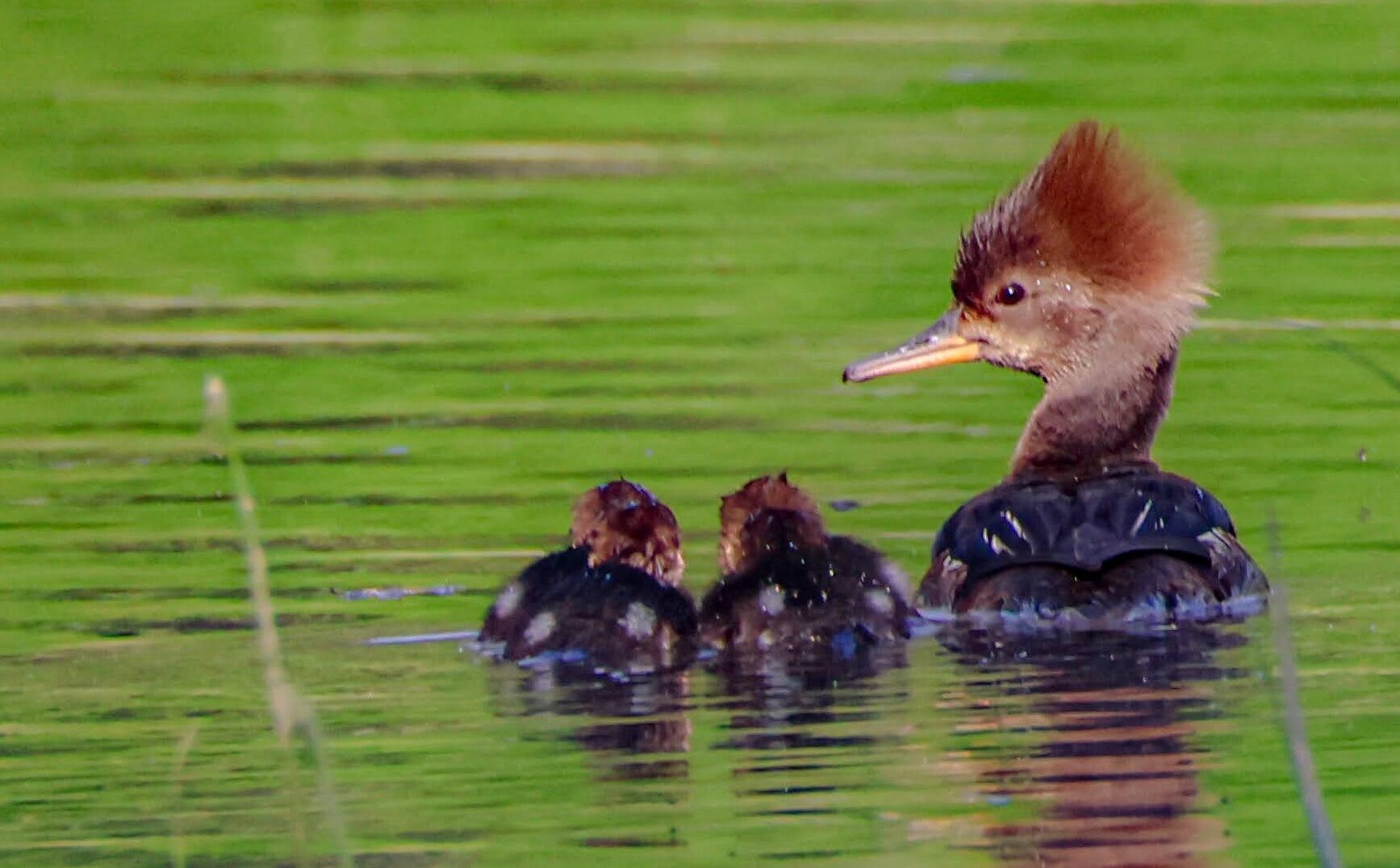
A biodiversity reserve
Tourism and Biodiversity Cohort
The Ministry of Tourism (MTO) and the Ministry of the Environment, Fight Against Climate Change, Wildlife, and Parks (MELCCFP) plan to jointly carry out the initiative, “Pilot Project for the Development of Biodiversity Reserves to Promote Responsible and Sustainable Tourism.”
After a thorough evaluation of several territories based on multiple criteria, four areas were chosen for their potential as biodiversity reserves. One of these is the Noire and Coulonge rivers, championed by CPWAS-OV, which is currently set aside as a reserved territory with the goal of eventually becoming an official biodiversity reserve. Three other territories, already recognized as biodiversity reserves, were also selected. Together, these sites form the Tourism and Biodiversity Cohort, a group of protected areas that balance conservation with sustainable tourism.
This initiative is funded through the 2020–2025 Responsible and Sustainable Tourism Action Plan. It aligns with the goals of the Ministry of Tourism’s 2025–2030 Sustainable Tourism Growth Strategy and contributes to Target 3 of the 2030 Nature Plan.
Local management
CPAWS-OV established a harmonization table that met monthly from April 2023 to December 2024. This table brought together all stakeholders involved, directly or indirectly, in the protection of the territory. These meetings provided a space to address key questions regarding the management and governance of the protected area.
The conclusion of the harmonization table led to the creation of a management committee, which meets at least twice a year and can call on local or regional partners to support its work. SNAP-VO coordinates the meetings, ensures the flow of information, and oversees the timelines and objectives set for the committee.
To date, the committee is composed of the following members: the Kitigan Zibi Anishnabeg Council, the Pontiac Regional County Municipality (MRC), the municipalities of Waltham and Mansfield-et-Pontefract, Tourisme Outaouais, the URLSO, a representative of adventure tourism operators, a representative of outfitting services, the Association of Residents of Lac Vert and the Noire River, a representative of Coulonge River residents, the Outaouais Regional Council for the Environment and Sustainable Development (CREDDO), the Outaouais Regional Off-Road Vehicle Association (ATVs and snowmobiles), representation from the ZECs present in the territory, and the Research Chair in Socioecology at UQO.