Launching a new restoration program
In 2025, CPAWS‑OV embarked on a new chapter: the launch of an ecological restoration program, conceived as the natural complement to our long‑standing efforts to protect the region’s remaining large, intact natural areas. For this project, our focus turns toward places closer to our communities—where nature and daily life meet, and where restoration can transform not only ecosystems, but also our collective relationship with the land.
We are targeting sites of high ecological value, places where well‑planned interventions can truly rebuild the integrity of natural habitats, improve essential services such as water purification, and return to local communities vibrant, resilient, and inspiring natural spaces. Restoring a place also means rekindling a sense of belonging, responsibility, and pride. But where do we begin in a watershed as vast and complex as this one?
A land shaped by water
Few people realize that the Ottawa River – the Kichi zibi or great river – shelters some of the most unique ecosystems in Québec: environments that are neither fully terrestrial nor fully aquatic, but an intermediate world of remarkable richness and beauty. The wet deciduous forests that line the river’s points and peninsulas, nestled within the floodplain, form true sanctuaries of biodiversity. These wet forests, where terrestrial and aquatic species mingle, provide refuge for an exceptional diversity of flora and fauna, and are cherished places for hiking, birdwatching, and waterfowl hunting.
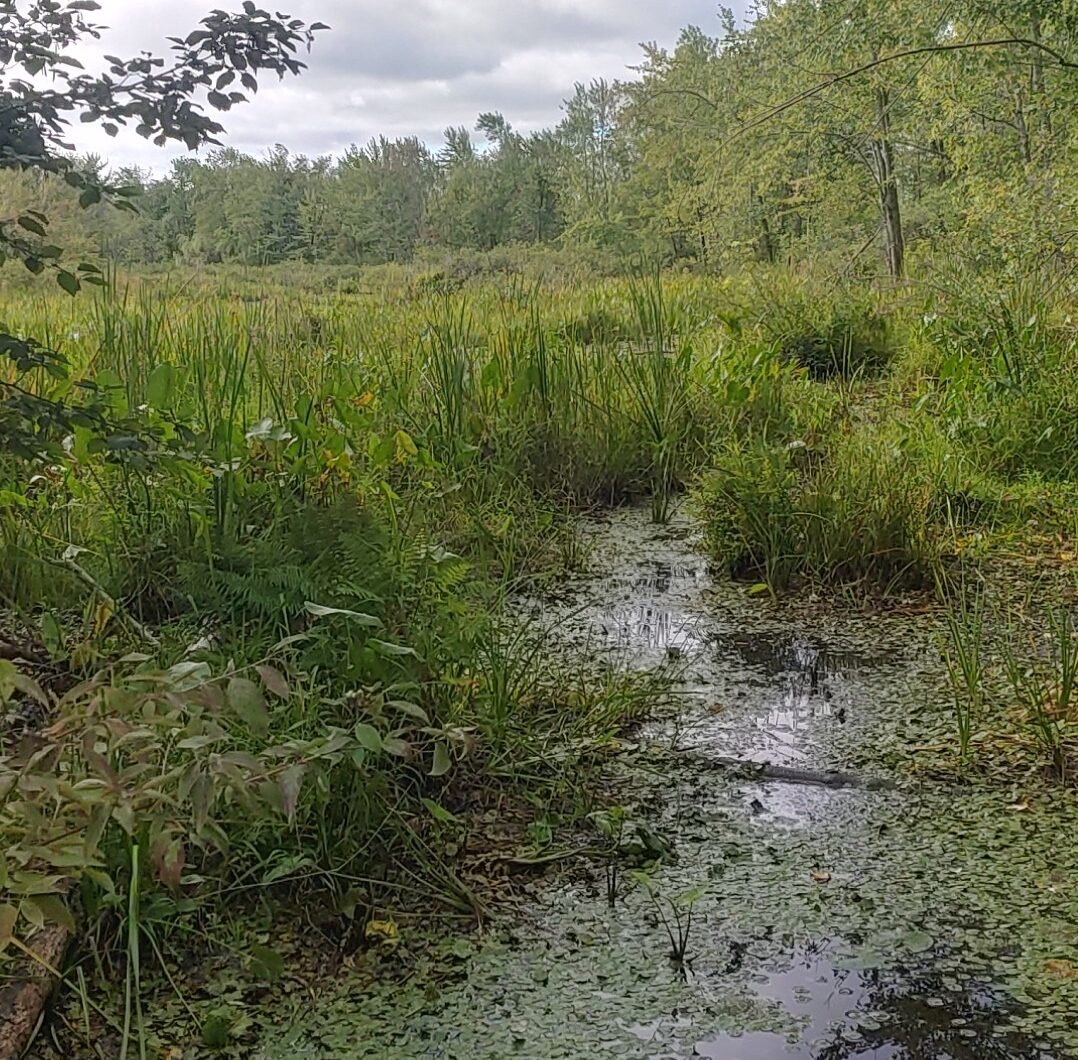
Grandes Baies Wildlife Refuge Project
This is why we have begun ecological inventories in the Grandes Baies sector, in preparation for potential shoreline revitalization work – near Rivière Blanche Est (close to Thurso), for example, and in the Marais des laiches sector in Gatineau. Planting trees and shrubs along shorelines is essential for protecting biodiversity, helping to control erosion, reduce sediment runoff, prevent water temperatures from rising, and safeguard aquatic habitats from overall degradation.
Grandes Baies Wildlife Refuge Project updates
Issues and challenges
- Deterioration of water quality: agricultural inputs (fertilizers, pesticides) and road runoff (salt, sediment, erosion).
- Land encroachment and residential development: reduction of the natural buffer zone and loss of ecological connectivity to the north.
- Spread of invasive alien species: emerald ash borer, water chestnut, buckthorn varieties.
- Motorized boating: resuspension of sediments, bank erosion, pollution, disturbance of wildlife, and collision risks.
Current activities in the area
- Ecological survey of the rainforests, particularly the ash groves in the Marais aux Massettes, the Petite Rivière Blanche, and McLaurin Bay, as well as the agricultural lands within the future wildlife refuge.
- Tree planting project in the areas of the Petite rivière Blanche, the Marais des Laîches, and the Rivière Blanche Est, applying the 10-20-30 diversity rule, which limits a single species to 10%, a single genus to 20%, and a single family to 30% to enhance resilience.
- Water quality monitoring (chlorides, phosphorus) and collaboration with the City of Gatineau to develop new eco-neighborhood projects, particularly near McLaurin Bay.
- Educational activities for nearby schools: identification of birds, amphibians, and reptiles.
Make sure to subscribe to our newsletter to stay up to date and for volunteering opportunities!
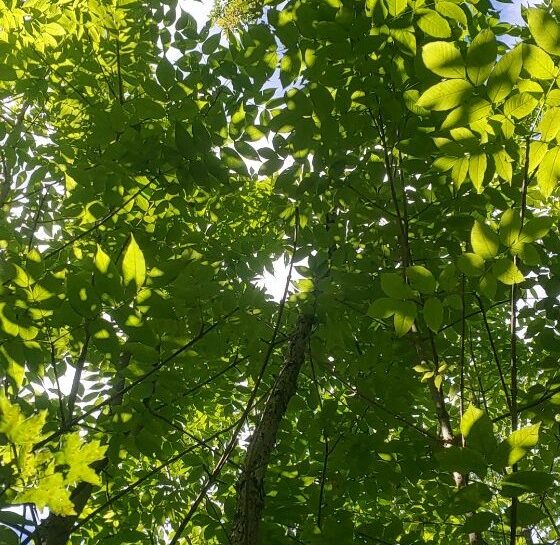
Boucher Forest
We are currently working with the Boucher Forest Foundation and the City of Gatineau on a tree‑planting project targeting 5 hectares of the affected area, with the goal of planting up to 8,000 trees. Our approach involves identifying and monitoring existing black ash regeneration while planting companion species typically found alongside it in the region’s wet deciduous forests. We are also collaborating with specialized organizations, including the Forest Gene Conservation Association, to assess opportunities for planting black ash trees that show resistance to the emerald ash borer.
Nature-based solutions
And this is only the beginning.
We remain open to new approaches, new sites, and new collaborations that use nature-based solutions to restore high-value ecological areas, whether along the streams and rivers that flow through farmland or in the midst of the Ottawa Valley’s cities and towns.
If there is a place in the watershed that matters to you – a degraded public land, a corner of nature that deserves a second life – we invite you to reach out. Together, we can restore vitality and resilience to the ecosystems of the Ottawa Valley.
For further information, contact Andrew, our manager for restoration: agibson@cpaws.org.